You open your laptop five minutes before a meeting, expecting the screen to light up instantly. Or maybe you just stepped away for coffee, come back, move the mouse, tap the keyboard, and wait for your computer to pick up exactly where you left off.
Instead, nothing happens.
The screen stays black. The keyboard may glow. The fan may spin. The power light may blink as if the computer is awake, but your desktop never appears. For a few seconds, you wonder if it is just being slow. Then the frustration hits: Did it freeze? Did I lose my work? Do I have to force it off?
This kind of failure feels random because sleep and hibernation look simple from the outside. In reality, your computer is trying to restart a delicate chain of hardware, drivers, memory, storage, USB devices, monitors, and power settings. If one piece fails to respond at the right moment, the whole system can get stuck between asleep and awake.

Here is why computers sometimes refuse to wake up, and when that black screen is just a one-time glitch versus a sign that something deeper is starting to fail.
Want our human-written content to rank above AI-generated garbage? Help us out by clicking this button!
5 Reasons Why Computers Freeze Instead of Waking Up
When a computer refuses to wake from sleep or hibernation, it is usually because one part of the system failed to restart, reconnect, or respond at the right moment. The computer may be trying to restore memory, reconnect devices, reload drivers, wake the display, or recover from a power-saving state.
If any of those steps fail, the whole system can appear frozen.
Here are five common reasons it happens.
1. Sleep Mode or Hibernation Fails to Restore Properly
To understand why a computer fails to wake up, it helps to know what actually happens when it goes to sleep.
Sleep mode and hibernation are not just “screen off” modes. They are power-saving states that pause your computer in different ways so you can return to your work later.
- In standard sleep mode, the computer enters a low-power state while keeping its system memory, or RAM, active. Your open tabs, unsaved documents, and running apps stay stored in temporary memory. When you turn on the computer, it restores full power to the processor, display, and other components so everything can pick up where it left off.
- Hibernation goes deeper. Instead of keeping RAM powered, the computer saves the contents of memory to the storage drive and then powers down almost completely. When you turn it back on, the system has to reload that saved state and rebuild your session.
The problem happens when the restore process breaks.
If the operating system, motherboard, storage drive, or memory does not respond in the expected order, the computer can get stuck. It may have enough power to turn on lights or spin the fan, but not enough coordination to fully reload the desktop. That is when you get the familiar black screen, frozen cursor, or completely unresponsive system.

2. Updates Interrupt the Wake Cycle
Operating system updates are another common cause of wake-from-sleep problems.
Modern computers often download patches, security updates, and driver changes quietly in the background. Many of these updates need a full restart before they are finished. If the computer goes to sleep while an update is partially installed or waiting for a reboot, it may wake up confused.
The system might try to resume using old instructions while some files or drivers have already changed. It may attempt to restore a session that no longer matches the updated system state. Instead of smoothly returning to the desktop, the computer may freeze, hang on a black screen, or fail to respond at all.
This is why sleep issues sometimes appear right after an update. The computer was not necessarily damaged. It may simply be caught between the old system state and the new one.
3. USB Devices, Docks, or Monitors Do Not Reconnect Properly
Sometimes the computer itself wakes up, but the devices connected to it do not.
When a system wakes from sleep, it has to quickly reconnect with everything attached to it. That includes the monitor, keyboard, mouse, external hard drive, USB hub, docking station, webcam, printer, and other accessories.
If one of those devices does not respond correctly, the wake process can stall.
This is especially common with external monitors and docking stations. A laptop may wake internally, but the monitor may stay asleep because it never receives the correct signal. From the user’s perspective, the computer looks frozen because the screen remains black. In reality, the system may be awake, but the display connection failed.
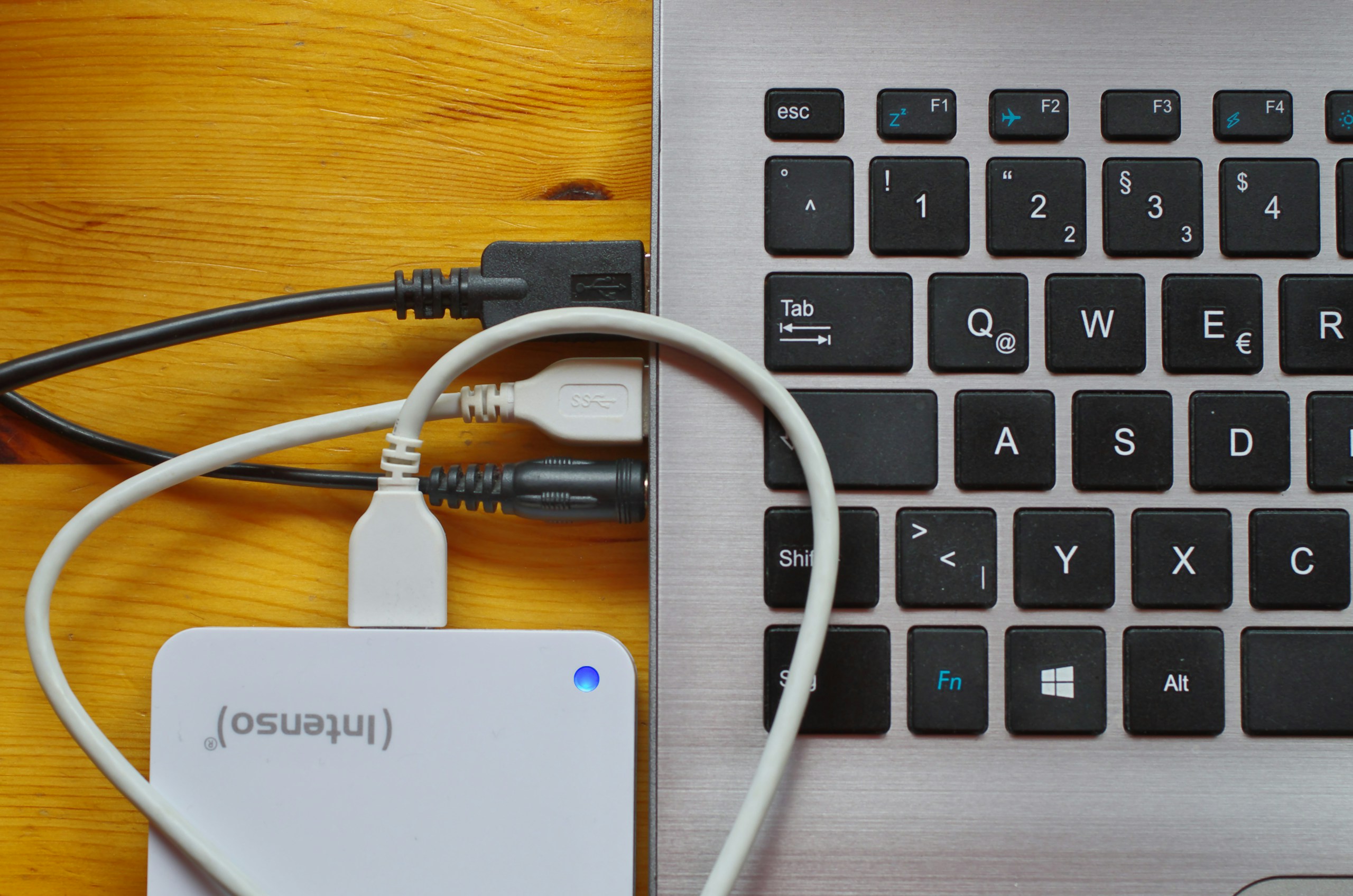
USB devices can cause similar problems. A mouse, keyboard, external drive, or USB hub may fail to reconnect quickly enough. Some devices may draw extra power when waking up, which can create a temporary conflict on the USB controller. When that happens, the computer may freeze while trying to identify and power everything at once.
This is why unplugging accessories sometimes makes a sleeping computer suddenly respond again.
4. Windows Drivers and Power Management Settings Cause Conflicts
Drivers are the software translators that allow your operating system to communicate with your hardware. Your graphics card, Wi-Fi adapter, USB ports, storage drive, touchpad, and chipset all depend on drivers to work correctly.
When a computer goes to sleep and wakes back up, those drivers have to pause and restart cleanly. If one driver is outdated, corrupted, or incompatible with a recent update, it can interrupt the entire wake cycle.
Graphics drivers are especially important. Even if the computer wakes up, a display driver problem can leave the screen black. You may hear fans running or see keyboard lights, but the system never shows the desktop.
Power management settings can also cause problems. Features such as USB selective suspend, PCIe power saving, and other deep sleep settings are designed to save battery life. They allow parts of the computer to power down when not in use.
Usually, that works well. But if a device enters a very deep power-saving state and fails to respond when called, the computer may not wake properly. In simple terms, one component falls asleep too deeply and does not hear the wake-up command.
5. Heat, Power Instability, or Aging Hardware Creates Failure
Not every wake problem is caused by software. Sometimes the issue comes from heat, power instability, or hardware that is starting to age.
A common example is closing a laptop and putting it into a bag before it has fully cooled down or finished background tasks. If the laptop continues running while trapped in a padded backpack, heat can build up quickly. Later, when you try to wake it, the system may refuse to respond because internal components are still too hot or unstable.
Power changes can also reveal hidden hardware problems.
When a computer wakes up, several components demand power at once. A healthy system usually handles that sudden shift without trouble. But if one part is already weakening, that jump from low power to full activity can cause the system to freeze.

Common hardware-related causes include:
- Aging laptop batteries: An older battery may no longer deliver steady power when the computer tries to wake, especially if the laptop is unplugged.
- Weak power supplies: A desktop power supply or laptop charger that is struggling can cause instability when several components demand power at once.
- Unstable RAM: Sleep mode depends heavily on memory because your open apps, browser tabs, and unsaved work are held there. If the RAM is unstable, the system may fail to restore the session.
- Aging storage drives: Hibernation saves your session to the storage drive. If an older hard drive or solid-state drive has trouble reading that saved state, the computer may hang during wake-up.
- Dust-clogged cooling systems: Older computers often collect dust inside vents and fans, making it harder for heat to escape. If the system is already hot, waking up can push it into a freeze or shutdown.
- Failing motherboard components: Weak capacitors or power circuits can struggle with the sudden shift from low power to full activity.
This is why frequent wake failures can sometimes be an early warning sign. One random black screen is usually just a glitch. But if your computer refuses to wake every few days, only wakes while plugged in, gets unusually hot, randomly shuts down, or takes longer and longer to recover, the issue may point to aging hardware.
At that point, the problem is no longer just an annoying sleep-mode quirk. It may be your computer’s way of showing that the battery, RAM, storage drive, cooling system, or power components are starting to wear out.

Heat Problems Can Make Sleep Failures Worse
If heat keeps showing up alongside sleep problems, the issue may be bigger than one failed wake cycle. A laptop that runs hot, sounds louder than usual, or slows down after being used for a while may need better airflow or a closer look at what is running in the background. For more help, see our guide on why your laptop gets hot so easily now.
Dust can also make wake problems worse by trapping heat inside the machine. If your vents are clogged or your fan is constantly loud, our guide on how to clean your PC explains how dust and hidden clutter can affect performance.
Windows-Specific Problems That Can Make Sleep and Hibernation Fail
On Windows PCs, wake problems often look like a black-screen mystery. The computer may sound like it is running, the keyboard lights may turn on, and the fan may spin, but the display never comes back.
That happens because Windows has to restore several things at once: your session, drivers, display, USB devices, and power settings. If one part does not respond, the whole system can seem frozen.
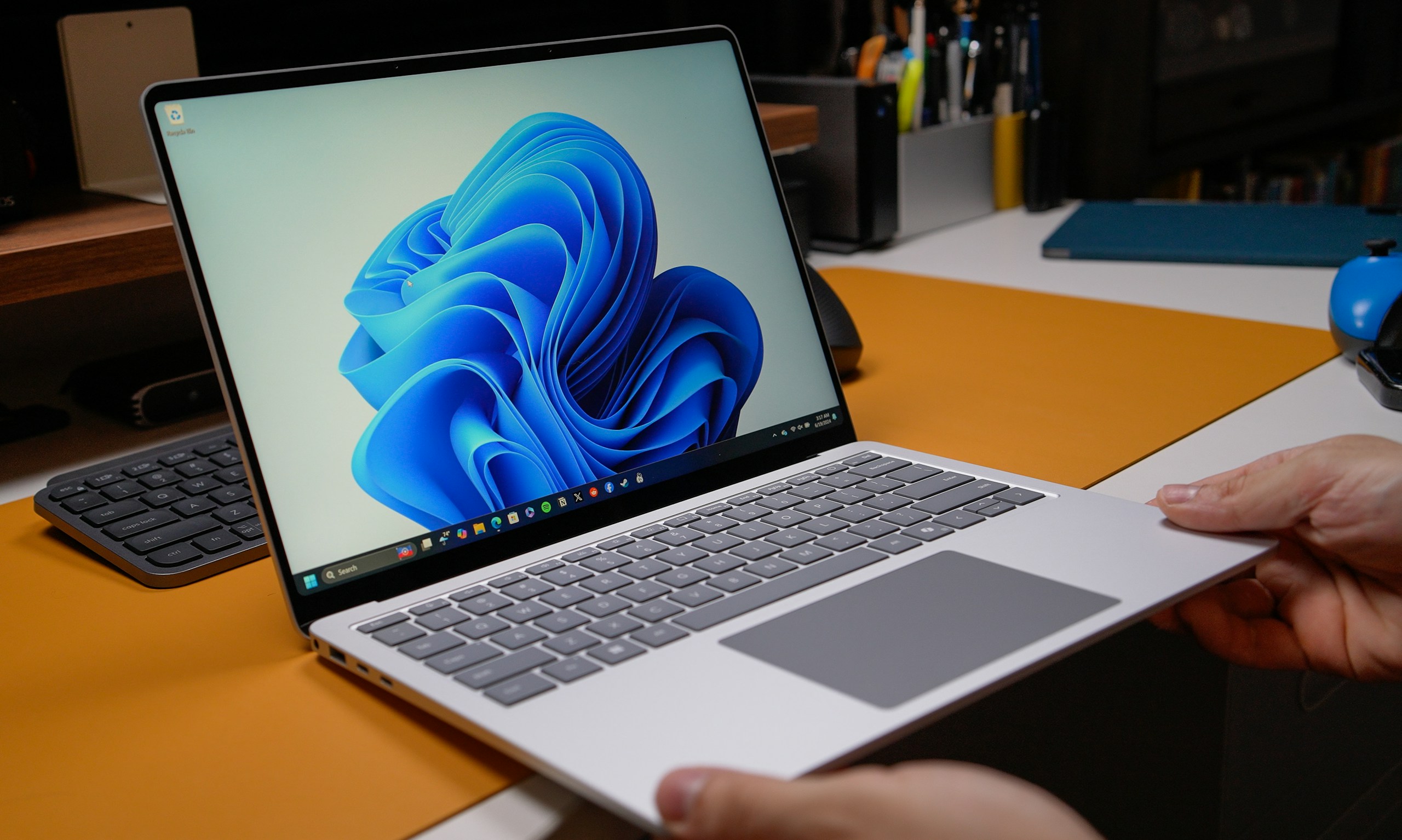
7 Windows-Specific Problems To Look For
Common Windows trouble spots include:
- Graphics driver problems: The PC may wake, but the screen stays black.
- USB selective suspend: Windows may power down USB devices to save energy, and some do not wake properly.
- Hibernation file issues: Windows may hang if the saved hibernation state does not reload cleanly.
- Hybrid sleep or Fast Startup conflicts: These features can sometimes confuse the resume process.
- Device wake permissions: Keyboards, mice, and network adapters may not be allowed to wake the computer.
- Pending Windows updates: A system that sleeps before an update finishes may fail to resume correctly.
- Too many background apps: Heavy apps or browser tabs can make waking less stable, especially on older PCs.
This is why a Windows computer may seem half-awake: the system may be running, but the display, USB controller, or hibernation state has not caught up.
If it keeps happening, start with the basics: restart after updates, unplug unnecessary USB devices, update graphics and chipset drivers, check power settings, and review which devices are allowed to wake the computer. For deeper troubleshooting, Windows also includes the powercfg command, which can show sleep states, wake-capable devices, wake timers, and power-related issues.
Power management can also affect your network adapter. If your Windows computer wakes up, but the internet disappears, or your Wi-Fi keeps disconnecting after sleep, the issue may be related to driver conflicts or power-saving settings. Our guide to why your Wi-Fi keeps dropping covers related connection problems.
Why Forced Restarts Sometimes Become Necessary
When a computer is stuck between asleep and awake, normal keyboard and mouse commands may not work. The system is not fully off, but it is not fully usable either.
A forced restart often becomes the only option.
Holding down the physical power button cuts power to the stuck system state. This clears the frozen memory session and forces the computer to start fresh the next time it turns on. Instead of trying to resume the broken sleep session, the machine performs a clean boot.

A forced restart can feel harsh, especially when you are worried about unsaved work. In most cases, it is unlikely to physically damage modern hardware. However, it can still cause you to lose unsaved progress or interrupt files that were being written at the time.
That is why forced restarts should be treated as a last resort, not a daily habit.
A forced restart is sometimes unavoidable, but it is also a reminder to protect anything important before something goes wrong. If you regularly work with documents, business files, photos, or client data, having a reliable cloud backup solution can make a frozen computer much less stressful.
When It Is Time to Worry
An occasional wake failure is usually not a reason to panic. Computers rely on many parts working together perfectly, and sometimes one driver, device, or update simply does not respond the way it should.
But repeated wake failures are different.
If your computer refuses to wake from sleep or hibernation on a weekly or daily basis, it may be a sign of a deeper issue. The cause could be outdated drivers, aggressive power settings, a failing battery, unstable RAM, a weakening power supply, overheating, or an aging storage drive.
The most important clue is frequency. A one-time freeze is often just a temporary miscommunication. A pattern of freezes means the computer is struggling to recover from low-power states consistently.
When that happens, the problem is worth investigating before it gets worse. Sleep mode is supposed to save time and energy. If it keeps turning your computer into a black-screen guessing game, something in the system is no longer waking up the way it should.

Still Have Questions About Sleep Mode or Hibernation Problems?
Sleep and hibernation issues can be frustrating because they do not always happen the same way twice. One person may see a black screen, another may hear the fan running, and someone else may find that only an external monitor or USB mouse stops responding.
The questions below cover some of the most common reasons Windows computers freeze instead of waking up. If your computer is doing something different, share what you are seeing in the comments. Include your Windows version, computer model, whether you are using a laptop or desktop, and what happens when you try to wake it up.
Why won’t my Windows computer wake up from sleep mode?
A Windows computer may fail to wake from sleep because of a driver conflict, display issue, USB device problem, power setting, pending update, or hardware instability. In many cases, the computer is not completely off. It may be stuck while trying to restore the screen, reconnect devices, or reload the previous session.
Why does my computer turn on, but the screen stays black?
This often happens when the computer wakes internally, but the display does not reconnect properly. The graphics driver, external monitor, docking station, HDMI cable, or DisplayPort connection may fail to resume from sleep. The system may be running, but the screen never receives the correct wake signal.
Is it bad to force-restart a computer that will not wake up?
A forced restart is usually not harmful to modern hardware, but it should be used as a last resort. Holding the power button can cause unsaved work to be lost and may interrupt files that were being written. If forced restarts become frequent, the underlying sleep or hibernation problem should be investigated.
Why does this happen more after Windows updates?
Windows updates can change drivers, system files, and power management behavior. If the computer goes to sleep before an update fully finishes or before a required restart, it may have trouble resuming. A clean restart after updates can often clear the problem.
Can USB devices stop a computer from waking up?
Yes. Keyboards, mice, external drives, USB hubs, webcams, and docking stations can sometimes interfere with the wake process. If a device does not reconnect properly or draws unexpected power during wake-up, Windows may freeze or appear unresponsive.
When should I worry about repeated wake failures?
One failed wake-up is usually just a temporary glitch. But if your computer refuses to wake several times a week, only wakes while plugged in, gets unusually hot, shuts down randomly, or takes longer to recover, the issue may point to aging hardware such as a weak battery, unstable RAM, failing storage drive, or power problem.

Keep Your Tech Healthier Before the Next Freeze
A computer that refuses to wake from sleep can feel random, but it is often part of a bigger pattern. Overloaded apps, browser clutter, weak connections, and aging hardware can all make your device feel less reliable over time.
A few simple tech-health checks can help:
- Watch for browser memory problems: If Firefox slows down, freezes, or makes your fan run constantly, a Firefox memory leak could be eating up RAM and making your whole computer feel unstable.
- Clear browser clutter: Cached files, cookies, and old site data can cause websites to load slowly or behave strangely. This guide on how to clear cache and cookies can help keep browsers running more smoothly.
- Check your Wi-Fi stability: If your computer wakes up but the internet keeps dropping, the issue may involve your router, signal strength, or device settings. Start with why your Wi-Fi keeps disconnecting.
- Look for network slowdowns: If everything seems worse in the evening, your computer may not be the only problem. Learn more about why your internet suddenly slows down at night.
- Know when hardware is aging out: If freezing, overheating, slow wake-ups, and sluggish performance keep happening together, it may be time to consider how long tech devices last and whether repair or replacement makes sense.
A failed wake-up is annoying, but it can also be a useful warning sign. When your computer starts acting unpredictably, use it as a reminder to check the everyday issues that quietly wear down your tech.
Share Your Experience
Has your computer refused to wake from sleep or hibernation? Share what happened in the comments, including your Windows version, device type, and any fix that worked for you. Your tip could help another reader avoid the same frustrating black screen.