Your computer used to feel fast. Now programs take longer to open, your browser drags, startup feels endless, and the fan seems louder than it should be. Learning how to clean your PC the right way starts with figuring out what is actually slowing it down.
Most slow computers are not struggling because of one big problem. They slow down because of a buildup of small things happening in the background: apps launching at startup, old files eating up storage, browser extensions running quietly, updates pulling resources, dust blocking airflow, and heat forcing your system to work harder than it should.
The good news is that you may not need a new computer. A smart cleanup, both digital and physical, can often make your PC or Mac feel noticeably faster, quieter, and easier to use.
Here is what may be slowing your computer down, how to recognize the signs, and what to clean first.

Your Computer Usually Slows Down Gradually
A slow computer rarely goes from fast to frustrating overnight. More often, performance drops little by little. One new app adds a startup process. A browser extension keeps running in the background. Downloads pile up. Temporary files grow. Dust collects around fans. Updates install quietly. None of these problems may seem serious by themselves, but together they can make your computer feel much older than it really is.
Want our human-written content to rank above AI-generated garbage? Help us out by clicking this button!
This is why cleaning your computer can help. You are not fixing one issue. You are removing several small sources of drag at the same time.
Why Is My Computer So Slow?
A slow computer can make you wonder if something is broken, outdated, or infected. But in many cases, the problem is less dramatic than that. Your computer may simply be overloaded by small issues that have built up over time.
Before you start shopping for a new device or assuming the worst, it helps to look at the most common reasons computers slow down. Once you know what is causing the drag, it is much easier to clean up the right areas and get your system running more smoothly again.
Many of these slowdowns come from everyday habits that seem harmless in the moment. We cover more of those patterns in our guide to tech habits that secretly slow down your devices.

If the slowdown happened suddenly instead of gradually, you may be dealing with a different issue. Start with our guide to why your computer suddenly feels slow before assuming it is just normal clutter.
1. Background Clutter Is Eating Up Resources
One of the most common reasons a computer feels slow is background clutter. These are apps and services that launch automatically, even when you did not intentionally open them.
You may notice this if your computer takes forever to become usable after you log in, even before you open any apps.
You may only see your desktop, but your computer may already be running chat apps, game launchers, cloud storage tools, printer utilities, update managers, antivirus scans, and software you forgot you installed months ago.
Individually, these programs may not seem like a big deal. But together, they can use memory, processor power, and network resources before you even start working.
This is especially noticeable during startup. If your computer takes forever to become usable after you log in, too many startup programs may be part of the problem.
A few common signs include:
- Your computer is slow immediately after turning on.
- Apps open by themselves when you log in.
- The system feels sluggish before you launch anything.
- You hear the fan running even though you are not doing much.
- Your taskbar or menu bar is crowded with background apps.
This kind of slowdown often happens gradually. You install one helpful app, then another, then another. Over time, your computer starts carrying a lot of extra weight every time it starts.
The fix is not always complicated. Removing apps you no longer use and disabling unnecessary startup programs can make your computer feel lighter, especially during boot-up.
2. Your Storage Is Filling Up
A full or nearly full drive can make your computer feel slower than it should. Your system needs free space to store temporary files, install updates, manage memory, and keep apps running smoothly.
You may notice this if saving files, installing updates, opening folders, or launching apps feels slower than it used to.
When storage gets crowded, everyday tasks can start to drag. Opening files may take longer. Updates may fail or stall. Apps may freeze more often. Even simple things like saving a document or loading a folder can feel slower.
The problem is that storage clutter usually hides in plain sight. Most people know about big files like videos and photos, but smaller piles of clutter add up, too.

Common storage buildup includes:
- Old downloads
- Duplicate files
- App installers
- Screenshots
- Temporary files
- Cached data
- Large email attachments
- Old backups
- Recycle Bin or Trash files
- Files saved to the desktop
Downloads are one of the biggest culprits. Many people download documents, images, PDFs, ZIP files, and installers, use them once, and never remove them. Over months or years, that folder can turn into a storage junk drawer.
Cache and temporary files can also build up quietly. These files are often created to help apps and websites load faster, but they can become clutter when they are no longer needed.
If your computer feels slower when opening files, installing updates, or switching between apps, storage may be part of the issue. A cleanup can help by freeing space and giving your system more room to work.
3. Your Browser May Be The Real Problem
Sometimes your computer is not the main problem. Your browser is.
You may notice this if: your computer feels fine until you open Chrome, Safari, Edge, or Firefox.
Modern browsers can use a surprising amount of memory and processing power, especially when you have lots of tabs open. Each tab may be running scripts, videos, ads, forms, tracking tools, or live updates in the background.
That means your computer may feel fine at first, then slow down as soon as you open Chrome, Safari, Edge, or Firefox.
Browser extensions can add to the problem. Some extensions run constantly, even when you are not actively using them. Shopping tools, coupon finders, grammar checkers, password managers, ad blockers, screen capture tools, and productivity add-ons may all use resources in the background.
Cached data can also become bloated over time. While cache can help websites load faster, old or overloaded browser data may cause glitches, slow loading, or strange site behavior.
Your browser may be slowing things down if:
- Your computer feels normal until you open the browser.
- Web pages take longer to load than they used to.
- Typing in browser tabs feels delayed.
- Your laptop fan gets loud while browsing.
- You keep dozens of tabs open at once.
- You have extensions installed that you rarely use.
This is one reason a “computer cleanup” should include your browser. Closing unused tabs, removing extensions you do not need, clearing outdated cached data, and restarting the browser can make a noticeable difference.
The browser is where many people spend most of their time, so even a small browser improvement can make the whole computer feel faster.
If the slowdown changes depending on where you use your laptop, WiFi coverage may also be involved. Here is why technology works in one room but not another.
4. Hidden Processes Are Running In The Background
Your computer may be doing more than you realize, even when “nothing is open.”
You may notice this if: your computer is slow, the fan is running, or your battery is draining even when you do not have many apps open.
Operating systems and apps often run background processes to keep everything updated, synced, scanned, indexed, and backed up. These processes are usually helpful, but they can slow things down when they all happen at once.

Examples include:
- System updates downloading or installing
- Antivirus or security scans
- Cloud backup syncing
- Photo libraries indexing
- Email apps refreshing
- File search indexing
- App updates
- Messaging apps are staying connected
- Printer or device utilities running silently
This can make the slowdown feel confusing. You may not have opened a demanding program, but your computer is still busy behind the scenes.
A classic example is a computer that feels slow right after startup. It may be launching apps, checking for updates, reconnecting to cloud storage, scanning files, and refreshing notifications all at the same time.
Another example is cloud syncing. If you recently added a lot of photos, videos, or work files, your computer may be uploading or downloading in the background. That can affect speed, battery life, fan noise, and internet performance.
If your computer only feels slow during certain evening hours, the issue may not be your computer at all. It could be related to network congestion or WiFi demand, which we cover in our guide to why your internet suddenly slows down at night.
Hidden processes may be the issue if:
- Your computer is slow even when just a few apps are open.
- The fan runs loudly for no obvious reason.
- The battery drains faster than usual.
- Your internet feels slow during backups or updates.
- Performance improves after restarting.
- Slowdowns happen after updates or large file changes.
A cleanup helps here because it gives you a chance to restart stuck processes, review what is running, update software intentionally, and remove background apps you no longer need.
You do not need to stop every background process. Many are important. The goal is to reduce unnecessary activity so your computer can focus on what you are actually doing.
5. Dust And Heat Can Physically Slow Your Computer Down
Not all computer slowdowns are digital. Dust and heat can physically affect performance, too.
You may notice this if: your fan gets loud, your laptop feels hot, or performance drops the longer your computer stays on.
Computers generate heat as they work. Fans, vents, heatsinks, and airflow paths help move that heat away from important components. But when dust builds up inside a desktop tower or around laptop vents, airflow gets restricted.
That can make your computer run hotter. When a system gets too warm, it may slow itself down to protect internal components. This can make apps lag, games stutter, video calls freeze, or the entire computer feel less responsive.
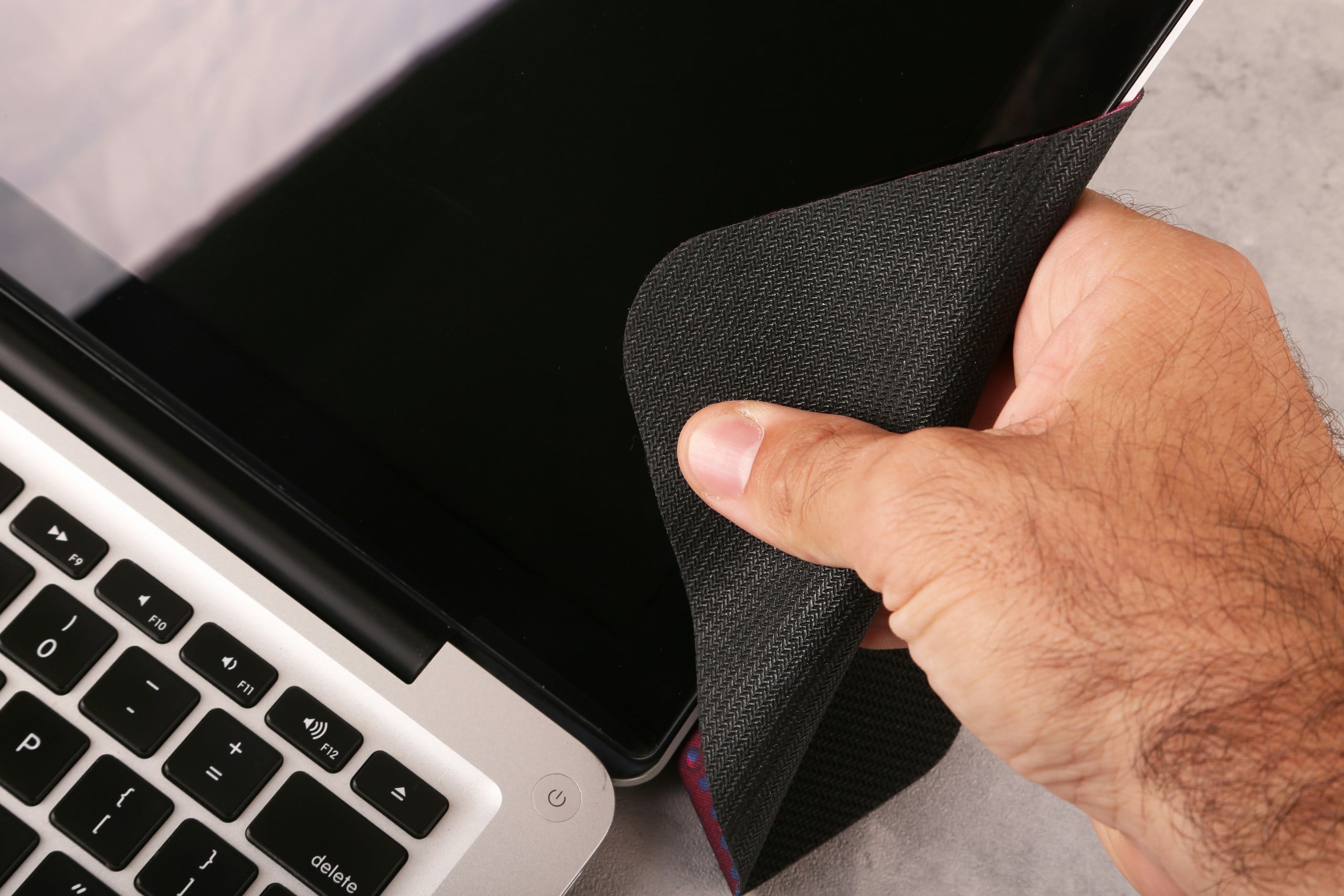
Dust buildup can also make your fan work harder. If your computer sounds louder than usual, especially during basic tasks, it may be struggling to stay cool.
Dust and heat may be part of the problem if:
- Your fan is louder more often than it used to be.
- Your laptop feels hot to the touch.
- Your desktop case has visible dust around the vents.
- Performance gets worse the longer the computer is on.
- Games, video calls, or editing software slow down after a while.
- The computer shuts down or restarts unexpectedly.
- Airflow from vents feels weak.
This is where physical cleaning matters. Removing dust from vents, fans, filters, and airflow paths can help your computer cool itself more effectively.
- For desktops, that may mean opening the case and carefully removing dust from fans and filters.
- For laptops, it usually means cleaning exterior vents and airflow areas without forcing debris deeper inside.
The key is to clean safely. Avoid using a standard household vacuum inside your computer, and do not spray liquid cleaners directly onto components. Use tools designed for electronics, and hold fans still while cleaning so they do not spin too fast.
Physical cleaning will not fix every slow computer, but if heat is part of the problem, it can make your system quieter, cooler, and more consistent.
6. When A Cleanup Actually Makes A Difference
A cleanup works best when your computer is slow because it is carrying too much unnecessary weight.
You may notice this if: your computer still works, but everything feels slightly delayed, cluttered, or heavier than it used to.
That includes digital clutter, background apps, low storage, browser overload, temporary files, and physical dust. These are common problems because they build up slowly. You may not notice them day to day until your computer starts feeling older than it really is.

A cleanup can make a noticeable difference when:
- The startup takes longer than it used to.
- Your browser feels slow or overloaded.
- You are running low on storage.
- Apps you no longer use are still installed.
- Programs launch automatically in the background.
- Your fan is loud, or your computer feels hot.
- Performance improves after restarting.
- Your computer works, but everything feels slightly delayed.
The biggest benefit usually comes from fixing several small issues at once. Removing one unused app may not transform your computer. But removing old apps, clearing storage, reducing startup programs, cleaning up your browser, restarting stuck processes, and improving airflow can add up.
Think of it less like one magic fix and more like taking weight out of a backpack. Each item you remove makes the load a little lighter.
A cleanup may not solve everything, though. If your computer has failing hardware, very little memory, an old hard drive, malware, or an outdated operating system, cleanup may only help so much. But it is still a smart first step because it can reveal whether the problem is clutter or something more serious.
Once you understand what is slowing your computer down, the next step is simple: clean the areas most likely to be causing the drag. That means removing unused apps, clearing storage, cleaning up your browser, checking background activity, and making sure dust and heat are not holding your computer back.
Simple Ways To Clean Up Your PC Or Mac
Once you know what may be slowing your computer down, the next step is to clean up the areas most likely causing the problem. You do not have to do everything at once. Start with the issues that match what you are noticing most, such as slow startup, low storage, browser lag, or loud fans.
Start where the symptoms are strongest: slow startup usually points to startup apps, browser lag points to tabs or extensions, low-storage warnings point to file clutter, and loud fans may point to heat or dust.
The goal is not to make your computer perfect. It is to remove the extra clutter your system has been carrying so it can run with fewer distractions in the background.
1. Remove Apps You Do Not Use
Old apps can take up storage, add background processes, install update helpers, and crowd your system with software you no longer need. Even if you are not opening them, some apps may still launch services behind the scenes.
Start by reviewing your installed programs and removing anything you no longer recognize, need, or trust. This may include old games, trial software, outdated utilities, duplicate apps, or programs you installed for one-time use.
Be careful with system apps, drivers, or anything tied to your printer, security software, graphics card, or operating system. When in doubt, look up the app name before removing it.
2. Disable Unnecessary Startup Programs
If your computer feels slow right after you turn it on, too many programs may be launching at startup. These can include chat apps, cloud storage tools, game launchers, music apps, printer software, and update managers.
You do not have to uninstall every startup app. Some are useful. The goal is to stop nonessential programs from opening automatically when you log in.
After disabling unnecessary startup items, restart your computer and see if it becomes usable faster. This is one of the simplest cleanups that can make a noticeable difference during boot-up.
3. Clear Old Files, Downloads, Cache, And Temporary Files
Storage clutter builds up quietly. Your Downloads folder, desktop, Recycle Bin or Trash, temporary files, app caches, screenshots, old installers, and duplicate files can all eat away at free space.
Start with the obvious places first. Delete files you no longer need, move important documents to organized folders, and empty the Recycle Bin or Trash when you are sure you do not need the files back.
Most PCs and Macs also include built-in storage tools that can help identify large files, old downloads, temporary files, and other items that may be safe to remove. Clearing this clutter can help your computer regain the free space it needs to run more smoothly.
4. Clean Up Your Browser Tabs And Extensions
If your computer slows down when your browser is open, focus your cleanup there. Too many open tabs, heavy websites, autoplaying media, and unnecessary extensions can all use memory and processing power.
Close tabs you are not using, bookmark pages you want to revisit, and remove extensions you no longer need. Pay special attention to extensions you do not recognize or tools you installed once and forgot about.
You can also clear cached browser data if websites are loading strangely or your browser feels bloated. Just remember that clearing cookies may sign you out of websites, so make sure you know your important passwords before doing it.
5. Restart Your Computer And Update Key Software
A restart sounds basic, but it can fix more than people realize. Restarting clears temporary activity, closes stuck processes, finishes pending updates, and gives your computer a fresh start.
If your computer has been sleeping or hibernating for days or weeks, a full restart can be especially helpful. Many slowdowns come from processes that never fully close or updates waiting to finish.
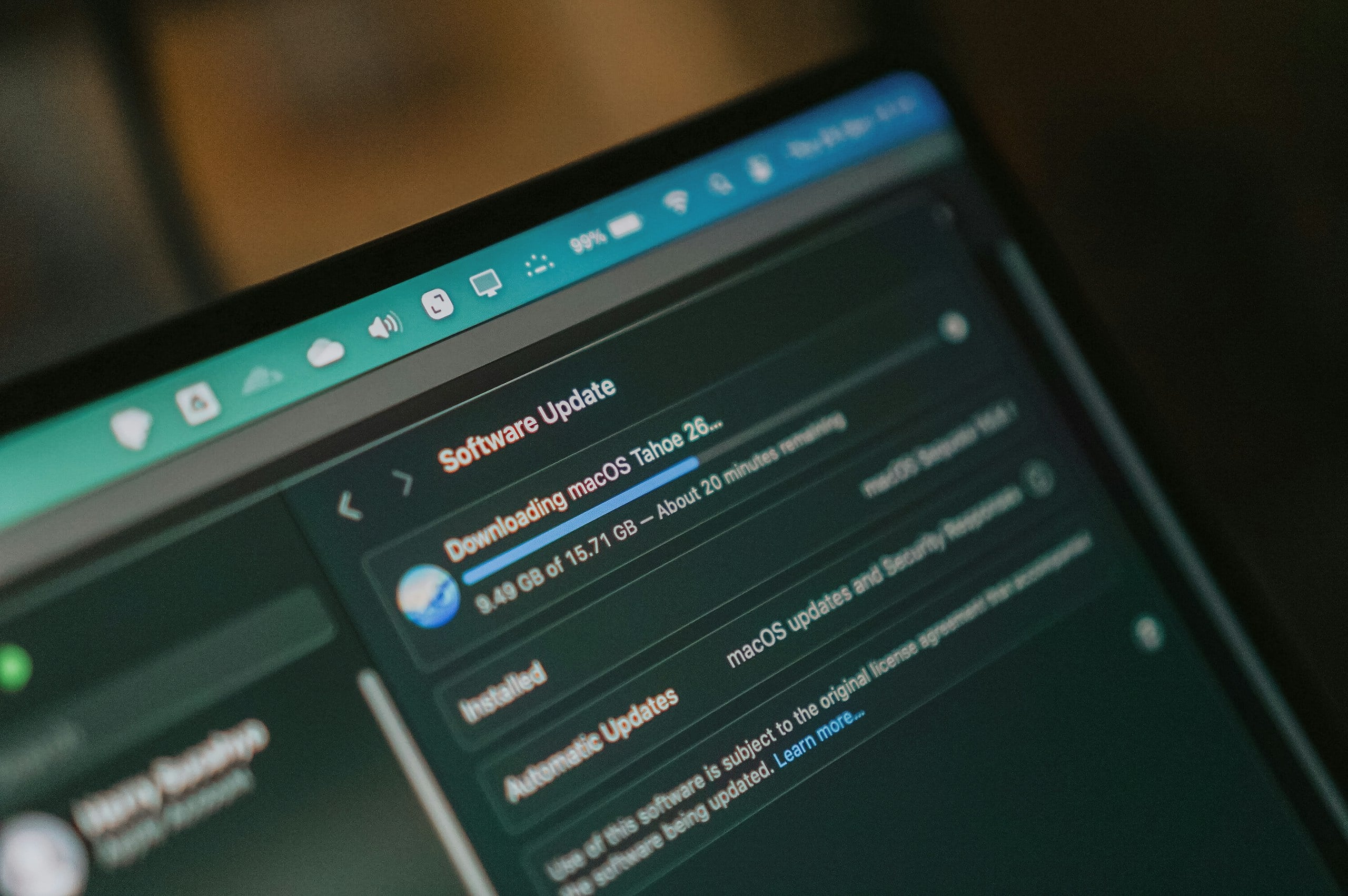
After restarting, check for important operating system, browser, driver, and security updates. Updates can improve stability, fix bugs, and patch security problems, but it is best to install them intentionally when you have time instead of letting them interrupt you in the background.
6. Clean Dust From Vents, Fans, And Airflow Paths
If your computer is loud, hot, or slows down after it has been running for a while, dust and airflow may be part of the problem. Dust can collect around vents, fans, filters, and internal components, making it harder for your system to stay cool.
When a computer runs too hot, it may slow itself down to protect its internal parts. That can make apps lag, video calls freeze, games stutter, or fans run louder than usual.
Quick Physical Cleaning Checklist
Use this checklist to safely remove dust from vents, fans, filters, and exterior openings.
- Turn everything off. Shut down the computer, unplug the power cord, and turn off the surge protector if you use one.
- Open the case only if it is safe to do so. For desktop PCs, remove the side panel if your warranty allows it. For laptops, tablets, and phones, stick to exterior vents and openings unless you know what you are doing.
- Use electronics-safe tools. Use compressed air, an electric air duster, an anti-static brush, or an ESD-safe electronics vacuum. Avoid using a regular household vacuum inside your computer.
- Hold fans still while cleaning. Do not let fan blades spin freely while using air or cleaning around them.
- Clean vents, filters, and airflow paths. Remove dust from intake vents, exhaust vents, case filters, keyboards, ports, and visible dust buildup.
- Avoid liquids inside the device. Never spray cleaner directly into vents, ports, fans, or internal components.
Tip: Clean in a well-ventilated area so dust does not settle right back onto your desk or equipment.
If a laptop is overheating badly, the vents are packed with dust, or you are not comfortable cleaning it yourself, consider having it cleaned professionally.
Video: Cleaning Dust From A Computer Safely
Before opening your desktop case or cleaning around laptop vents, watch how dust builds up around fans and airflow paths. This can help you understand what to clean, what to avoid touching, and why gentle cleaning matters.
Back Up Important Files Before Making Major Changes
Before deleting large amounts of data, uninstalling unfamiliar software, resetting settings, or doing a deeper cleanup, back up your important files. A cleanup should make your computer easier to use, not put your photos, documents, or work files at risk.
At a minimum, make sure your most important files are saved somewhere other than your computer, such as an external drive or a trusted cloud backup service.
This is especially important if your computer is already acting strangely. Slow performance can sometimes be a sign of a deeper issue, including a failing drive. Backing up first gives you a safety net before you make changes.
Quick tip: Nothing lasts forever, which is why it’s a great idea to have your important data backed up online. Our experts review the top online backup providers with features, pricing, pros, cons, real user feedback, and more.
Helpful Tools For Cleaning Dust From Electronics
You do not need a large toolkit to clean dust from your computer, but the right tool can make the job easier and safer. Choose tools designed for electronics, especially if you are cleaning around vents, fans, keyboards, printers, or desktop components.
Best For Business Use: Metro Vacuum MDV-1BA DataVac Pro
For offices or larger work environments, the Metro Vacuum MDV-1BA DataVac Pro is designed for cleaning electronics and office equipment. It can be used around equipment such as computers, laser printers, copiers, fax machines, disc drives, calculators, and other electronics.
This type of electronics vacuum is especially useful when you want to collect dust instead of blowing it into the surrounding air.
Best For Personal Use: The Sin Shine Compressed Air Electric Air Duster 3.0
For home use, the Sin Shine Compressed Air Electric Air Duster 3.0 can help remove dust from hard-to-reach areas around keyboards, vents, printers, disk drives, and desktop computer cases.
An electric air duster can also be a reusable alternative to disposable compressed-air cans, making it a practical option for routine cleaning.
When Cleaning Is Not Enough
A cleanup can fix a lot of everyday slowdown problems, but it cannot solve everything. If your computer is still slow after removing clutter, freeing storage, reducing startup apps, cleaning your browser, and improving airflow, the problem may be deeper.
You may be dealing with something bigger if: your computer still freezes, crashes, overheats, or struggles with basic tasks after a full cleanup.
Sometimes, slow performance is a sign of aging hardware, failing parts, or software issues that need more than a basic cleanup.
Cleaning may not be enough if:
- Your computer still freezes or crashes after a cleanup.
- Apps take a long time to open, even with plenty of free storage.
- The computer makes clicking, grinding, or unusual noises.
- You see pop-ups, strange browser redirects, or apps you did not install.
- Your operating system no longer receives security updates.
- Your computer has very little memory for the apps you use.
- You are still using an older hard drive instead of a solid-state drive.
In those cases, the next step may be checking for malware, upgrading memory, replacing an old hard drive with an SSD, repairing failing hardware, or replacing the computer if it can no longer keep up with your needs.
If you are trying to decide whether cleanup, repair, or replacement makes the most sense, our guide to how long tech devices last can help you set realistic expectations.
The important thing is that cleanup is still a useful first step. It helps rule out the most common causes of sluggish performance before you spend money on repairs, upgrades, or a new machine.
It is also worth avoiding common assumptions, like thinking a slow computer always means it is infected or too old to use. We break down more of these misunderstandings in our guide to common technology myths most people still believe.
Keep Your Computer Running Better Longer
Once your computer is cleaned up, a little routine maintenance can help keep the same problems from building up again. You do not need to obsess over it. A few quick habits can go a long way.
Try this simple maintenance schedule:
- Weekly: Close unused browser tabs, restart your computer, and remove downloads you no longer need.
- Monthly: Review installed apps, check startup programs, clear obvious storage clutter, and empty the Recycle Bin or Trash.
- Every few months: Clean dust from vents, fans, filters, and airflow paths, especially if you have pets or your computer sits near the floor.
- Regularly: Back up important files so your documents, photos, and work are protected if something goes wrong.
Watch for early warning signs: slow startup, laggy browsing, loud fans, low-storage alerts, and random freezes are easier to fix before they become constant problems.
A clean computer will not stay fast forever, but it can stay noticeably smoother when you keep digital clutter, background activity, dust, and storage buildup under control.
Still Trying To Figure Out What Is Slowing Things Down?
Cleaning up your computer is a smart first step because it tackles the most common causes of sluggish performance: background clutter, low storage, overloaded browsers, hidden processes, and dust buildup. In many cases, removing that extra drag can make your computer feel noticeably smoother.
But if your computer still feels slow after a cleanup, the issue may not be your computer alone. Your internet connection, daily tech habits, device age, or even where you use your devices can all affect how fast everything feels.
The same kind of hidden tech friction can show up around the house, too. If your connected devices act unreliably, our guide to why smart home devices randomly stop working can help you troubleshoot what is happening behind the scenes.
For example, if your slowdown seems to happen suddenly instead of gradually, start with our guide on why your computer suddenly feels slow. If several of your devices feel slower than they should, you may also want to check the tech habits that secretly slow down your devices.
And if your computer only feels slow at certain times of day, the problem may be your connection rather than your machine. Our guide to why your internet speed changes throughout the day can help you figure out whether your WiFi, network traffic, or internet provider may be part of the problem.
The main takeaway: a slow computer does not always mean you need a new one. Start by cleaning up the clutter, watch for the symptoms that come back, and then narrow down whether the real issue is your device, your habits, your hardware, or your internet connection.
What Finally Helped Your Computer Run Better?
Every slow computer has its own story. Maybe your fix was clearing out years of downloads, removing a sneaky startup app, closing 47 browser tabs, or finally cleaning the dust out of a loud fan.
What made the biggest difference for your PC or Mac? Share your cleanup tips, slowdown stories, or questions in the comments below; your experience may help someone else figure out what is slowing down their computer, too.